
Blog: How the South Scotland is benefitting from productive forests
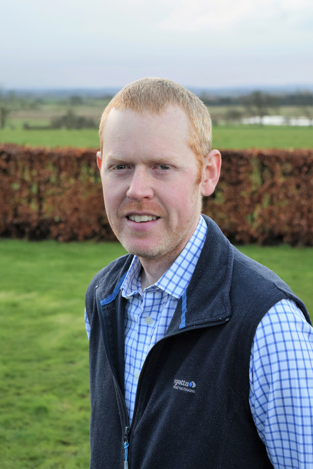
Richard Hunter - National Manager for Scotland - Confederation of Forest Industries (Confor) - discusses the importance of productive forests for International Day of Forests
The South Scotland is blessed to have great productive forests, which have a positive impact across the region.
I know some people will disagree but in the spirit of healthy debate please read on while I highlight my reasons
Sustainable forestry is formed of three pillars:
- Social
- Environment
- Economic
which need to be balanced to achieve the best outcomes.
Social forestry can have many meanings, a couple are better access to nature and areas of wilderness in which to lose yourself.
These are hard to measure and mean different things to each one of us.
For me it is the opportunity to get out and walk in a forest (away from my desk), breathe in fresh air and not see other people for a while!
Forests are great for that. There can be many people walking, cycling or horse-riding in a native or productive forest at any one time but the trees break the views up and you feel alone.
Value of forests
Across Scotland, recreation in forestry accounts brings wider benefits which total £252m, and the South has Ae and Glentress as hubs for visitors.
The foresters I know are proud of their work and the wildlife living in their forests.
The environment underpins the way we work, accounting for bird nesting seasons, avoiding water erosion and protecting soils.
The species we plant are high on the agenda but gone are the days of planting mono cultures, the UK Forestry Standard demands a range of species. Here the balance between environmental and economic is felt the most.
Diversity of forests
As forests are restructured the diversity grows for both flora and fauna.
Well managed forests host so much life, to me it’s one of the joys to walk through and see how many bird species are thriving there.
With climate change inflicting longer dry periods on us, forests are excellent at intercepting and holding water, I know I seek the shade of trees when the sun is beating down.
Lastly the economy - timber is a key world commodity, the World Bank expects global timber demand to quadruple by 2050.
The UK imports over 81% of the timber we use and we are the third largest importer of timber in the world.
So, productive forests in South Scotland are already well placed to meet these growing national and international pressures.
Productive forests
The region’s timber is in demand now and will be for the foreseeable future.
While productive forests from the roadside can look empty and devoid of people, it is not true.
Harvesting and establishment are peak times for employment but the trees hide the other day to day work such as planning, surveying and deer control.
Productive forestry is robust - it supports a wider supply chain, haulage (including electric HGV), mechanics and of course timber processing.
The South is lucky to have a range of modern European leading sawmills, so timber is not moved out the area for processing, again helping provide more stable local jobs.
The theme of this International Day of Forests is economics, so consider not just trees but the jobs and materials they provide.
If I can ask one thing of you, consider could you live without timber from productive forests?
Interested in this item and would like to share your thoughts and ideas? Please contact rlup@sose.scot